Motorsports
Modern motorsports blend speed, personality, and engineering warfare. Rivalries define eras, while aerodynamics, design culture, and urban circuits reshape racing’s identity, turning Formula One into a global spectacle where innovation is as crucial as courage for drivers, teams, and fans worldwide.
The Red Dream: Lewis Hamilton
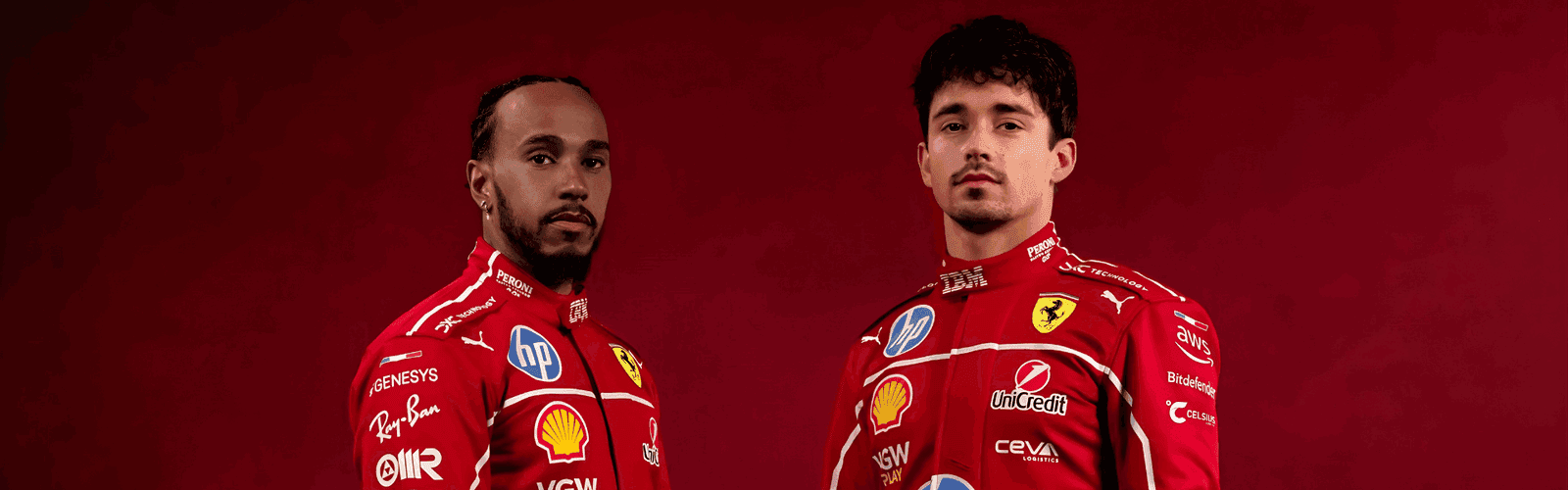
Lewis Hamilton’s second season at Ferrari in 2026 is a calculated final gamble, built around a sweeping regulation reset that offers him one last, realistic path to an eighth world championship after a barren first year in red. At forty-one, he faces the dual test of mastering radically new machinery and surviving Ferrari’s internal pressure cooker alongside Charles Leclerc, with legacy, psychology, and adaptation carrying as much weight as outright speed.

The Dutch Defiance: Max Verstappen
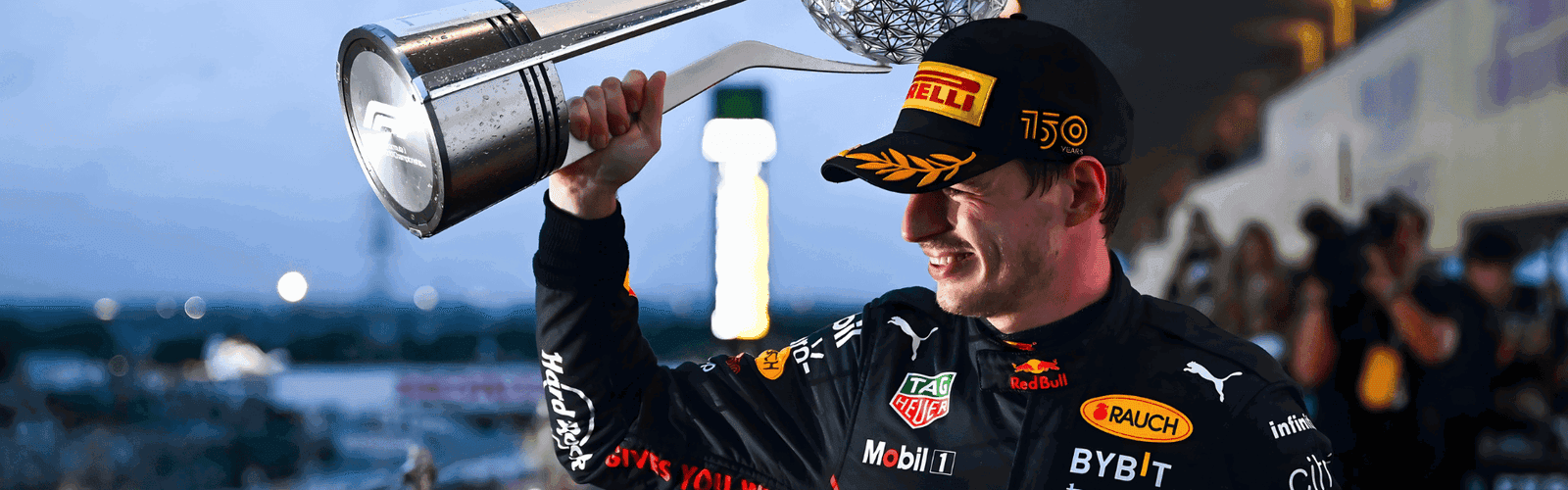
The 2026 Formula 1 season places Max Verstappen at the center of a radical reset, as he adapts his instinctive, aggressive style to a sport reshaped by hybrid power, active aerodynamics, and energy management. With Red Bull Ford’s new DM01 engine and a renewed challenger mindset, Verstappen enters the year as both a test case and a benchmark for whether raw racing talent can still dominate in Formula 1’s most software-driven era.
Active Aero 101
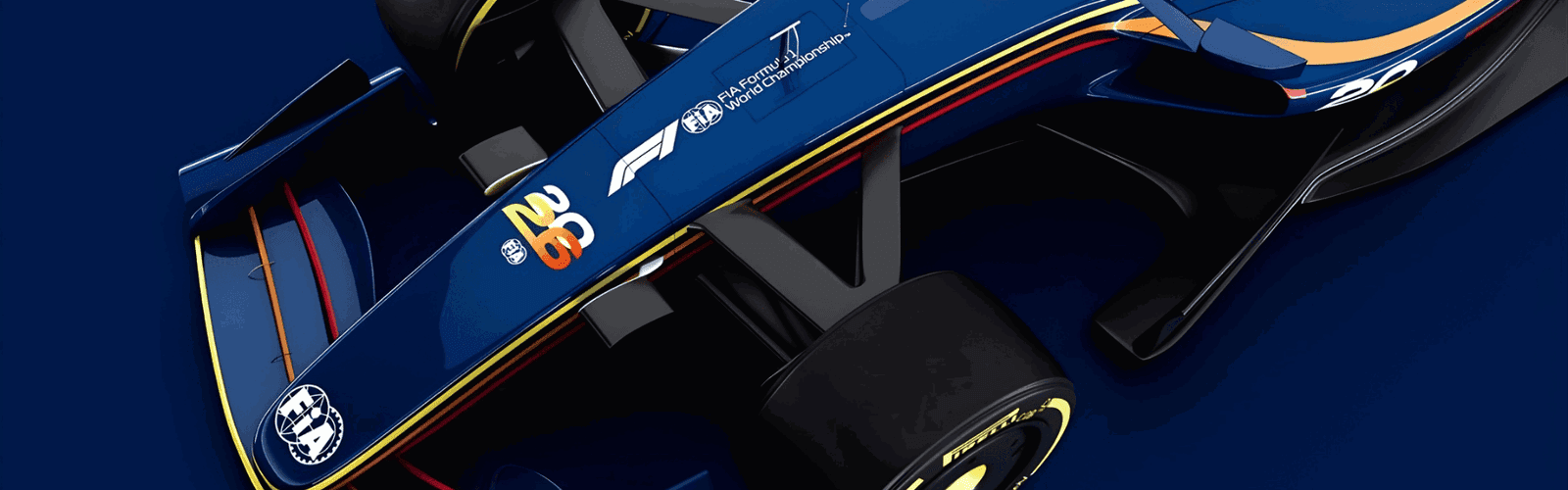
The 2026 Formula 1 season has replaced DRS with full active aerodynamics, turning cars into shape-shifting machines that switch between high-downforce cornering and ultra-low-drag straight-line efficiency. With synchronized front and rear wings and a new energy-based override system, racing has become a tactical contest of timing, balance, and efficiency rather than a simple push-to-pass advantage.
The Paddock Aesthetic
Grand Prix Core has reshaped fashion by merging motorsport engineering with everyday wear, turning racing jackets, footwear, and technical fabrics into symbols of durability, precision, and modern utility. What began in the paddock now defines the street, reflecting a wider cultural shift toward protective, performance-led clothing that values function, resilience, and technological honesty as much as style.
The Street Circuit War
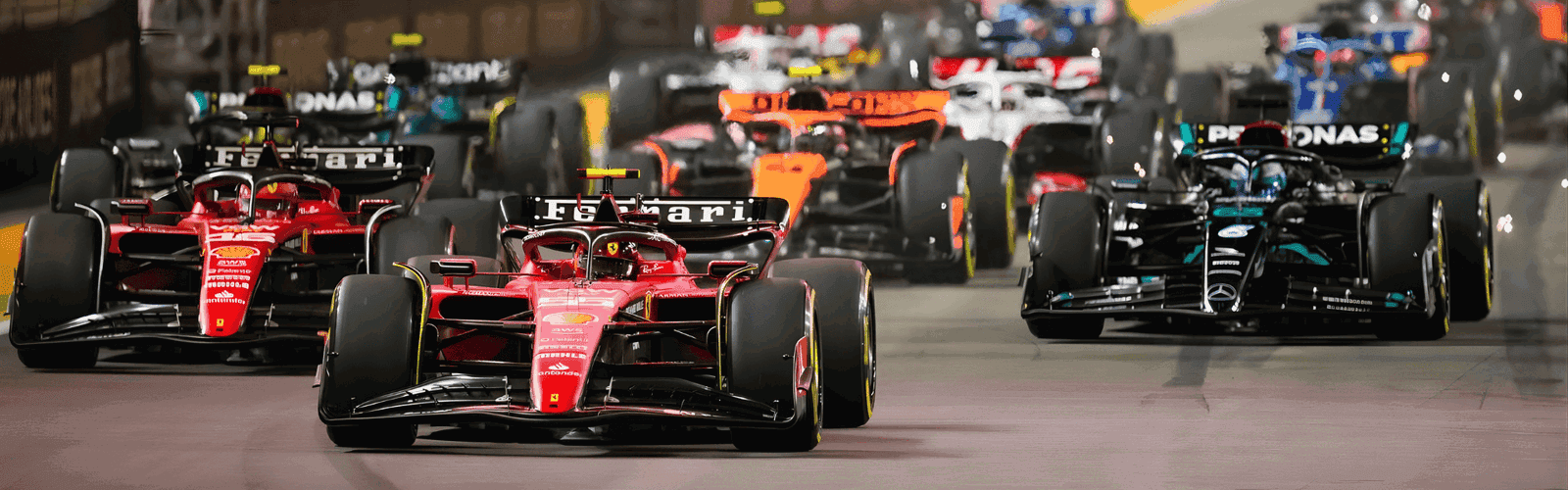
Formula 1 has decisively shifted toward city-center street races like Madrid, driven by massive tourism revenue, dense fan access, and modern infrastructure that historic circuits cannot match. The sport now balances spectacle and heritage, using neon-lit urban events to fund growth while preserving a shrinking core of traditional tracks to retain its racing soul.